
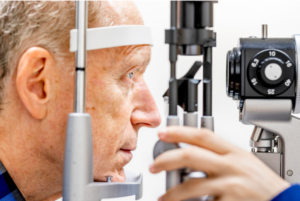
Introduction
Imagine slowly losing your vision without pain or warning. That’s exactly how glaucoma works. Often called the “Silent Thief of Sight,” glaucoma damages the optic nerve gradually, and most people don’t realize it until permanent vision loss has already occurred.
Globally, glaucoma is the second leading cause of blindness, and in India alone, more than 12 million people are affected. Alarmingly, nearly 50% remain undiagnosed because early stages show no symptoms.
If you are over 40 or searching online for “glaucoma test near me,” “eye pressure check hospital,” or “best eye specialist for glaucoma,” this guide is for you.
What is Glaucoma?
Glaucoma is a group of eye diseases where increased intraocular pressure (IOP) damages the optic nerve — the structure responsible for sending visual signals to the brain.
Once the nerve is damaged, vision loss cannot be reversed. However, early detection can slow or stop progression.
Types of Glaucoma
Open-Angle Glaucoma
Most common type. Slow and painless. Symptoms appear late.
Angle-Closure Glaucoma
Sudden blockage of fluid drainage. Medical emergency.
Congenital Glaucoma
Present in infants.
Secondary Glaucoma
Caused by diabetes, steroids, injury, or infections.
Why is Glaucoma Dangerous?
The disease starts by affecting side (peripheral) vision, which many people don’t notice. By the time central vision reduces, 40–50% of the optic nerve may already be damaged permanently.
This is why doctors emphasize routine eye screening, not waiting for symptoms.
Risk Factors You Should Know
You are at higher risk if you:
- Are above 40 years
- Have diabetes or high BP
- Have family history
- Use steroids long-term
- Have high eye pressure
- Wear very high spectacles
- Have eye injuries
If any of these apply, yearly testing is essential.
Early Warning Signs
Usually none. But advanced cases may show:
- Tunnel vision
- Blind spots
- Eye pain
- Headaches
- Halos around lights
- Sudden blurred vision
If you experience these, seek immediate care.
Tests Used to Detect Glaucoma
Modern eye hospitals perform multiple tests:
Eye Pressure Test (Tonometry)
Measures intraocular pressure.
Visual Field Test
Checks side vision loss.
OCT Scan
Evaluates optic nerve damage.
Gonioscopy
Examines drainage angle.
Retina Examination
Detects nerve health.
Early diagnosis through these tests can save vision for life.
Hospitals equipped with advanced diagnostic machines, such as Sahu Eye Hospital, offer comprehensive glaucoma screening for accurate and early detection.
Treatment Options
Although glaucoma cannot be cured, it can be controlled effectively.
1. Eye Drops
Reduce pressure. Most common treatment.
2. Laser Therapy
Improves fluid drainage.
3. Surgery
For advanced or uncontrolled cases.
Regular follow-ups ensure stable eye pressure.
Importance of Early Treatment
Studies show early treatment can reduce vision loss risk by up to 50–60%. Delaying therapy may lead to irreversible blindness.
The key message: Don’t wait for symptoms.
Lifestyle Tips to Protect Your Eyes
- Annual eye checkups
- Control diabetes & BP
- Exercise regularly
- Avoid smoking
- Take medications regularly
- Never skip follow-ups
Why Choose Specialized Eye Hospitals?
Glaucoma management requires:
- Advanced machines
- Expert ophthalmologists
- Long-term monitoring
Local trusted centers like Sahu Eye Hospital provide continuous care, patient education, and affordable treatment, making it easier for families to manage glaucoma without traveling far.
Conclusion
Glaucoma silently steals vision, but it doesn’t have to. Regular screening, early detection, and proper treatment can protect your eyesight for life.
If you or your family members are over 40, schedule a complete eye exam today. Early action could be the difference between clear vision and permanent blindness.
FAQs
Q1. Can glaucoma be cured permanently?
No, but it can be controlled.
Q2. Is glaucoma hereditary?
Yes, family history increases risk.
Q3. How often should I get tested?
Once every year after 40.
Q4. Are drops lifelong?
Usually yes.
Q5. Does surgery restore lost vision?
No, it prevents further loss.