




Best Eye Surgery Hospital – Sahu Eye Hospital

Preparing for Cataract Surgery: Complete Patient Guide

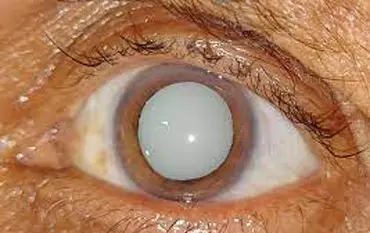
Cataracts are a common age-related eye condition where the eye’s natural lens becomes cloudy, leading to blurry vision, sensitivity to light, and difficulty with everyday activities. When cataracts begin to interfere with quality of life, cataract eye surgery becomes the most effective treatment.

This blog provides a comprehensive overview of what patients can expect before, during, and after cataract removal surgery, offering individuals a greater sense of understanding and preparedness for the journey toward clearer vision.

Before the Surgery: Pre-Operative Preparation

Cataract eye surgery preparation begins with a comprehensive eye examination by an ophthalmologist. This includes:

  • Vision assessment and confirmation of the cataract diagnosis.
  • Biometric measurements of the eye are used to determine the appropriate intraocular lens (IOL) power.
  • Evaluation of overall eye health, including checking for other conditions like glaucoma or macular degeneration.

Additional Considerations:

  • The patient’s medical history is reviewed, and current medications are essential.
  • Blood sugar and blood pressure levels should be under control before the procedure.
  • Patients may be advised to stop certain medications, such as blood thinners, temporarily before surgery.

In some cases, patients are prescribed antibiotic or anti-inflammatory eye drops to use a few days before surgery to reduce the risk of infection.

Day of Surgery: The Procedure Explained

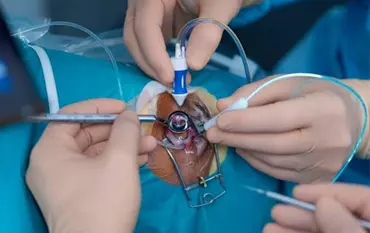
Cataract eye surgery is usually a quick outpatient procedure and does not require an overnight hospital stay. Most surgeries are performed using phacoemulsification, a minimally invasive technique.

What Happens During the Surgery:

  • A small incision is made in the cornea.
  • The incision is typically self-healing and does not require stitches.
  • The cloudy lens is broken into tiny pieces using ultrasound waves and gently suctioned out.
  • The eye is numbed using local anesthesia (eye drops or an injection), and patients are usually awake but relaxed.

The entire process usually takes about 15–20 minutes per eye. Before being discharged, the patients are observed for a short period of time.

After the Surgery: Recovery and Care

Recovery from eye surgery for cataract removal is generally smooth, with most patients experiencing significant improvement in vision within a few days.

Common Post-Surgery Experiences:

  • Sensitivity to light and watery eyes.
  • Slight blurriness or haziness for the first 24–48 hours.
  • Itching, mild discomfort, or a foreign body sensation in the eye.

These symptoms are temporary and part of the normal healing process.

Eye Drop Regimen:

Post-operative care involves using prescribed eye drops for several weeks:

  • Antibiotic drops to prevent infection.
  • Anti-inflammatory drops to reduce swelling.
  • Lubricating drops ease dryness and promote healing.

Following the drop schedule precisely is crucial for avoiding complications.

Follow-Up and Monitoring

After cataract eye surgery, follow-up appointments are essential to track healing and ensure the eye is responding well to treatment. A typical follow-up schedule includes:

  • Day 1 post-surgery: Initial evaluation of healing and intraocular pressure.
  • 1 week later: Check for inflammation and assess early visual recovery.
  • 1 month later: Final vision assessment and, if needed, a prescription for glasses.

Post-Surgery Precautions

To support proper healing and avoid complications, patients are advised to follow these precautions for several days to weeks after surgery:

  • Avoid rubbing or touching the eyes.
  • Refrain from head baths and getting water into the eyes for 7–10 days.
  • Stay away from dusty environments and avoid activities like gardening or cleaning.
  • Avoid strenuous activities and lifting heavy objects for at least a week.
  • Use protective eyewear, especially while sleeping, to avoid accidental injury.
  • Refrain from wearing eye makeup while driving until cleared by the doctor.

Final Thoughts

While the idea of eye surgery for cataract removal may seem intimidating, it is one of the safest and most frequently performed surgeries worldwide, with a high success rate. Knowing what to expect before, during, and after the procedure helps reduce anxiety and allows patients to take an active role in their recovery.
With proper preoperative planning, adherence to postoperative instructions, and timely follow-ups, patients can look forward to improved vision and a higher quality of life following cataract eye surgery.

Book An Appointment


sahu
To Get the Best Eye Care Treatment

Contact Form

"*" indicates required fields

Name*

This will close in 0 seconds

Scroll to Top